Curiosity
Learning starts with questions, not a syllabus. It follows what the women notice on walks, in stories and in their own backyards, and moves at the pace of wonder.


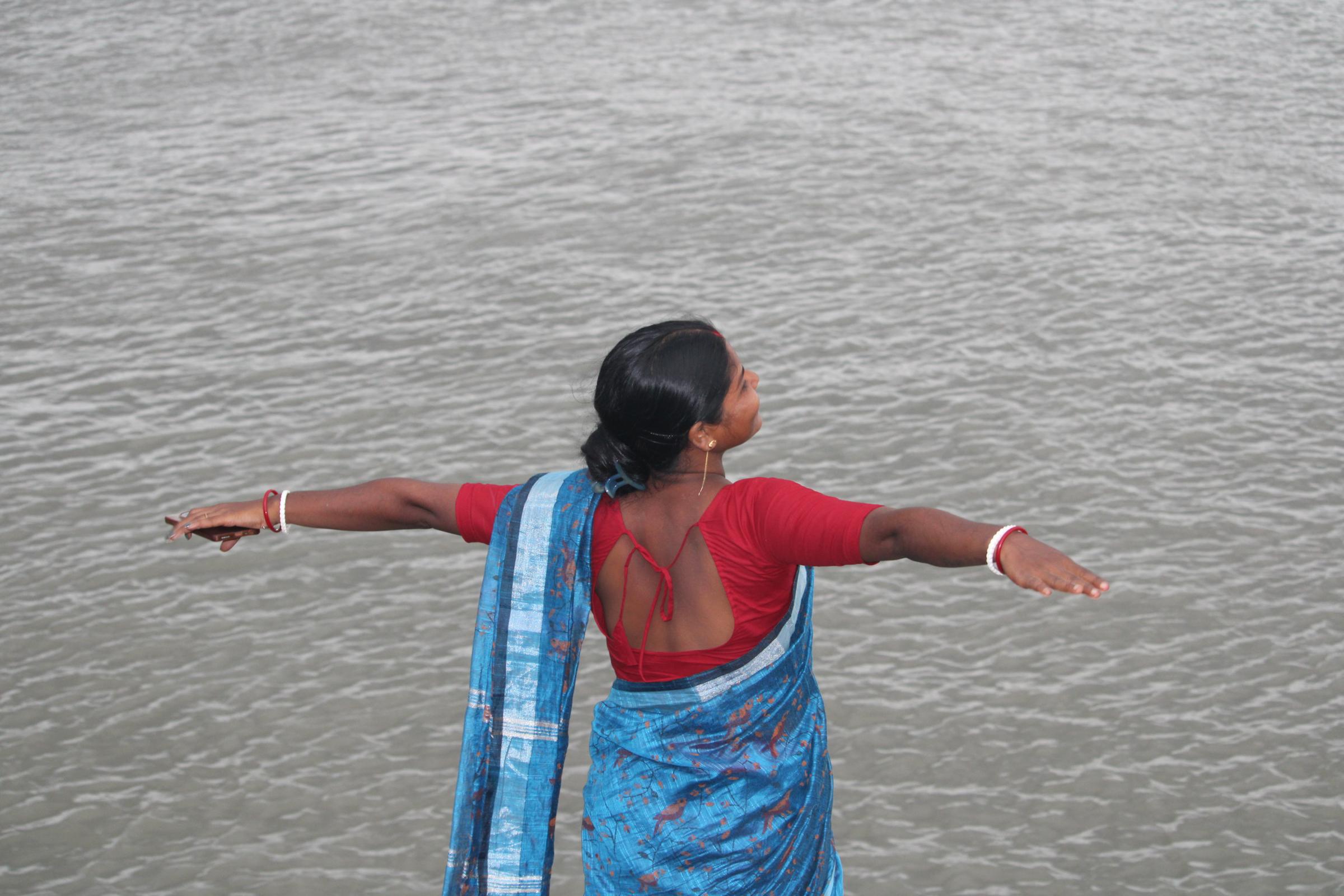
Women in the Sundarbans deciding how their own mangrove landscape is cared for, and building the solutions themselves.
BeginThe Sundarbans is the world's largest mangrove forest, a maze of tidal creeks and mudflats at the mouth of the Ganga, Brahmaputra and Meghna, remade by the tide twice a day.
It is the only place where the Royal Bengal tiger has learned to live in a saltwater forest. Mangrove roots hold the mud together, slow the storm surge, and shelter the fish, crabs and birds that families here have always lived alongside.
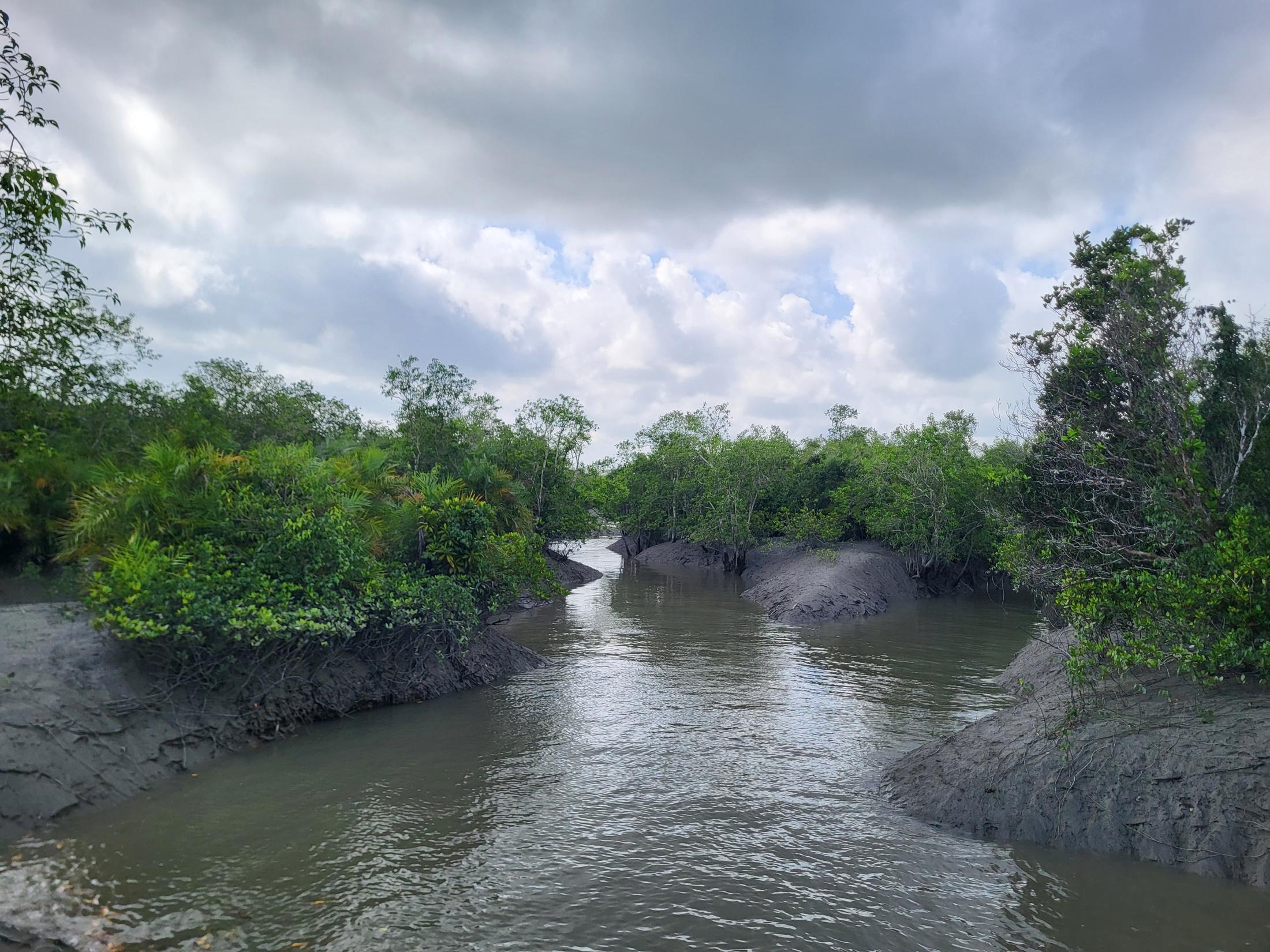
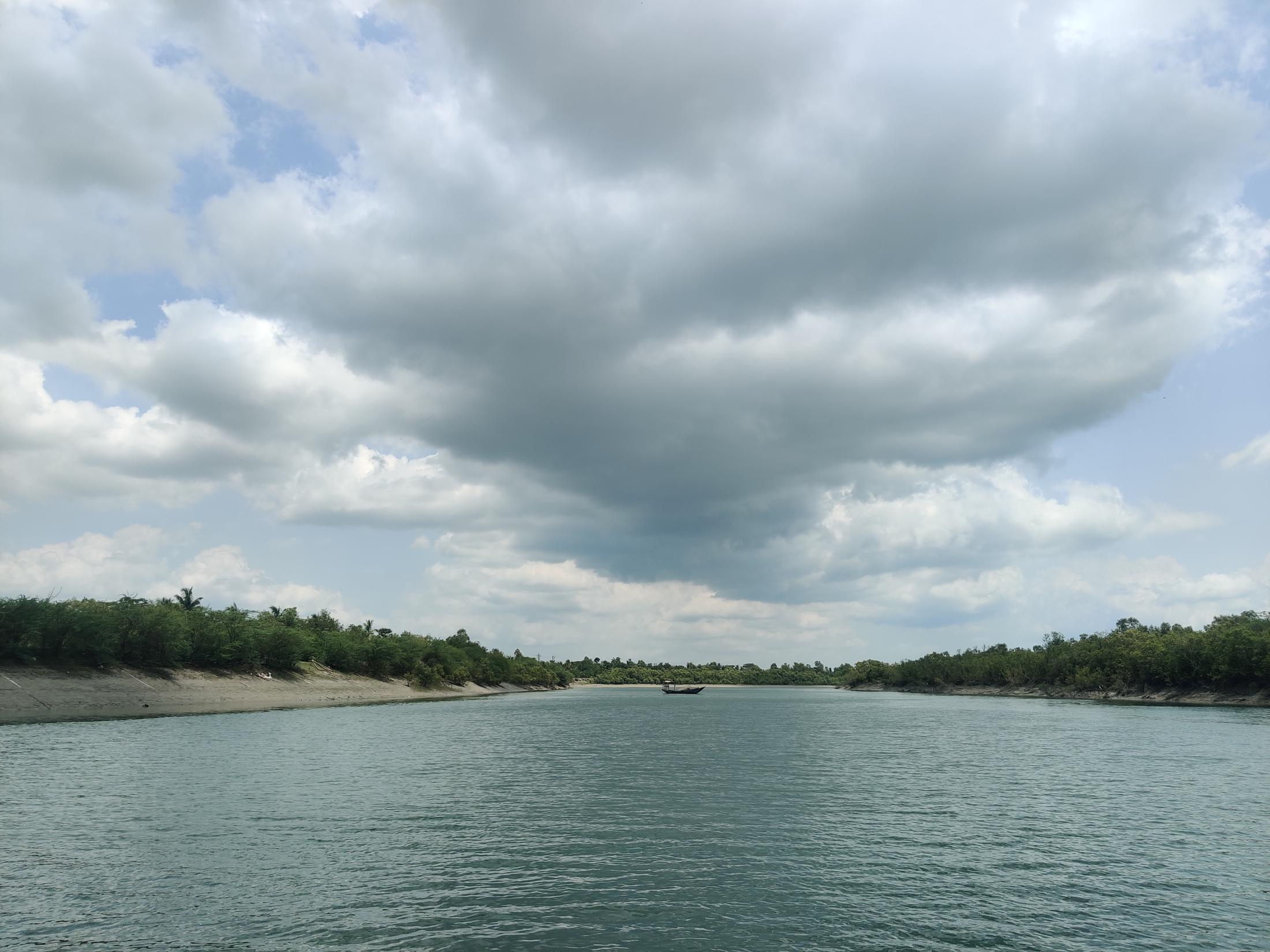
of forest and water, shared between India and Bangladesh. About 7–8% of all the world's mangroves.
people live on its 102 tidal islands, fishing, farming, and collecting crabs and honey.
of its mangrove cover has been lost in recent decades.
The sea here is rising about twice as fast as the global average, pushing salt inland and eating at the shore.
They fish its creeks, farm its edges, fetch its water and tend its ponds. They save seeds, read the seasons in the wind, and notice when the birds stop coming back.
With many men leaving the islands to find work, it is often women who hold the household, the land and the forest together. Their knowledge lives in stories, songs and daily habit, and almost never in the rooms where conservation is decided.
“I didn't realise how much we already knew.” Puspa
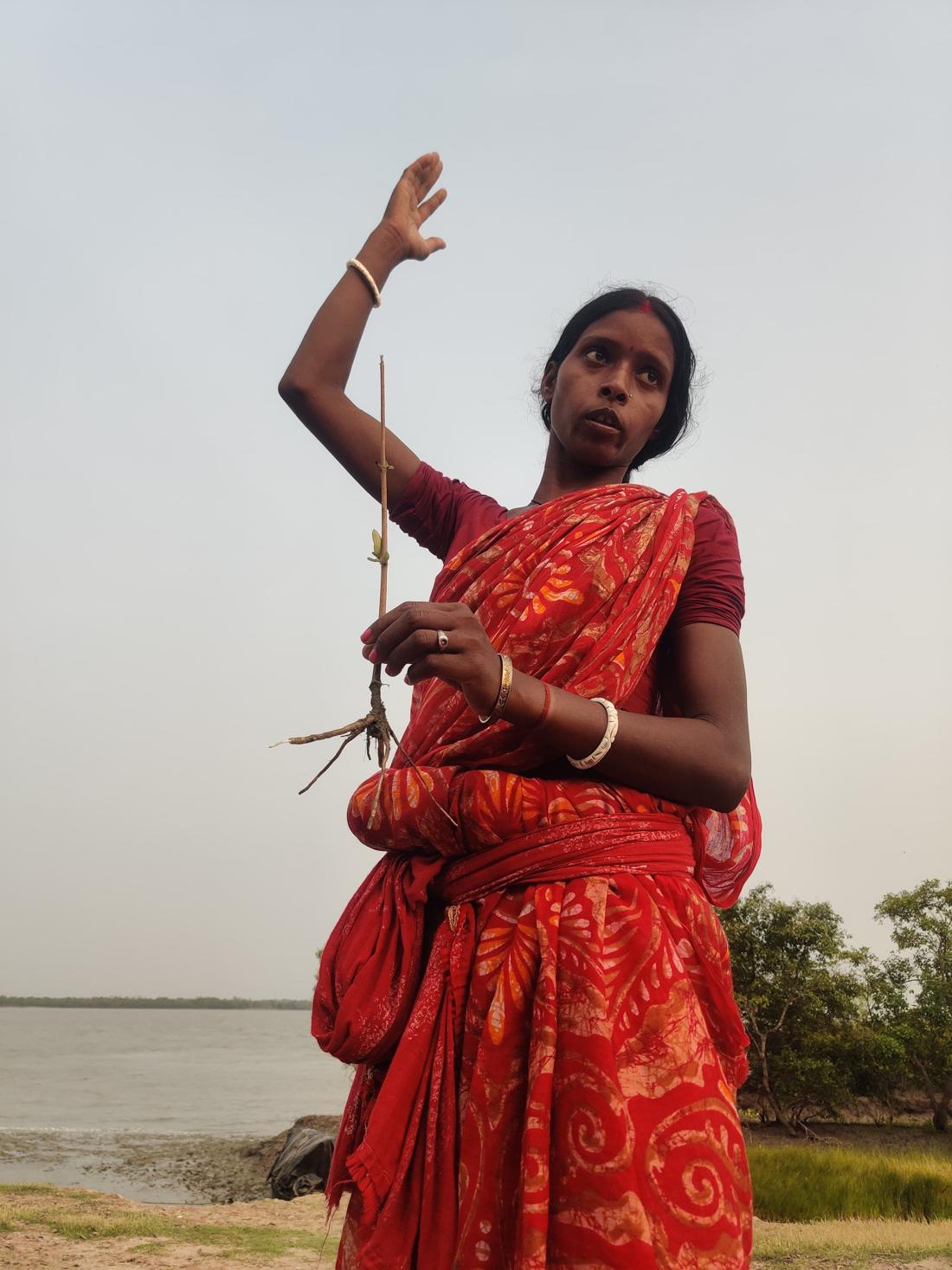
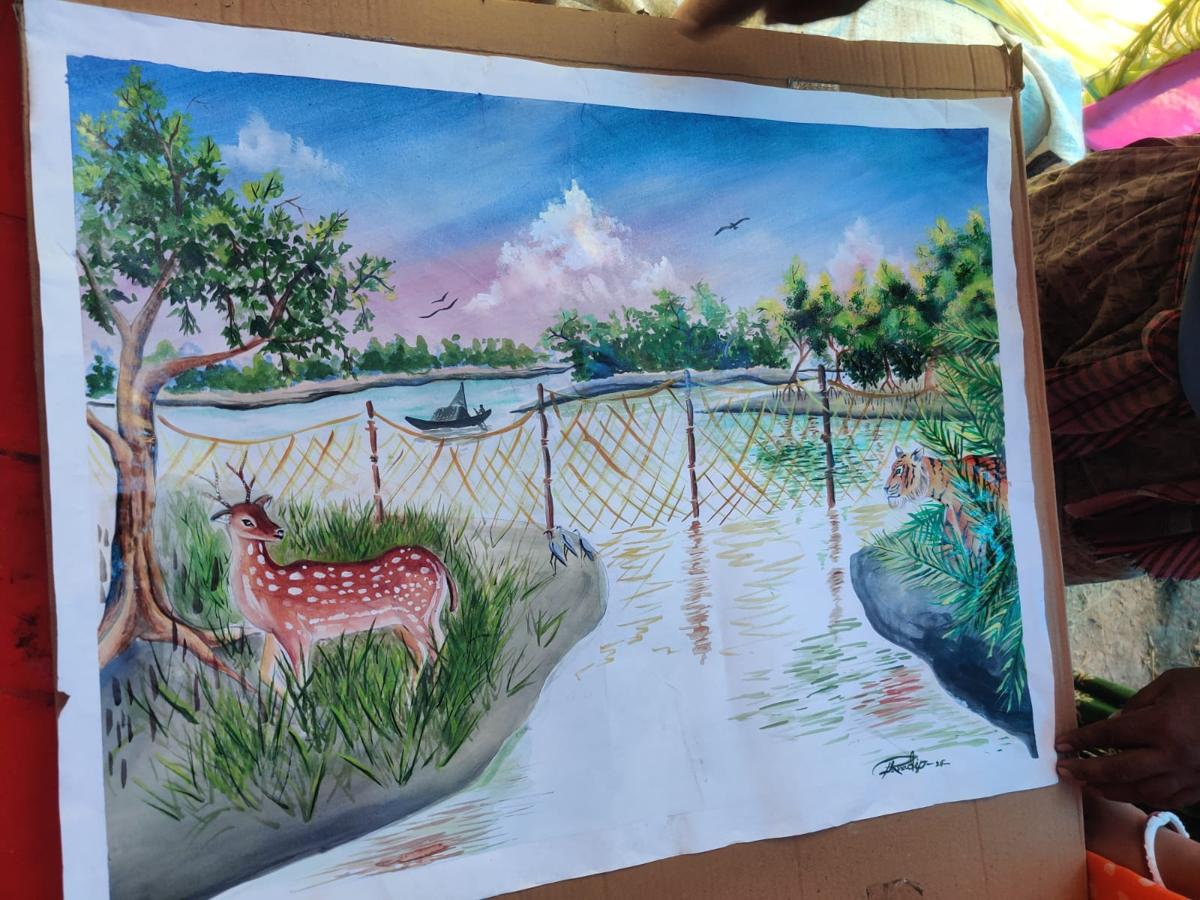
All three share one thing: women are asked to deliver a conservation goal someone else set.
What if women delivered conservation?
“Will you help us do this?”
“What do you think needs to be done?”
A mangrove stands in shifting mud because its roots spread wide. WOCAL works the same way. Five conditions hold the work steady, and the women decide what grows from them.
Learning starts with questions, not a syllabus. It follows what the women notice on walks, in stories and in their own backyards, and moves at the pace of wonder.
A place to try things, disagree and get it wrong without judgement. Trust is built before ideas, with families as well as with the women themselves.
Trust over control. The women choose which problems matter, how to look into them, and what to build in response. Nobody hands them a plan.
Removing what keeps women out: time, cost, language, tools. Bringing in knowledge, materials and introductions to institutions that aren't otherwise within reach.
Local ecological knowledge and conservation science side by side, each tested against what the ecosystem itself has to say.
A catalyst, not a director. She brings what isn't easily available locally (frameworks, scientific information, materials, introductions) and deliberately stays out of the two decisions that matter most: which problems to work on, and how to solve them.
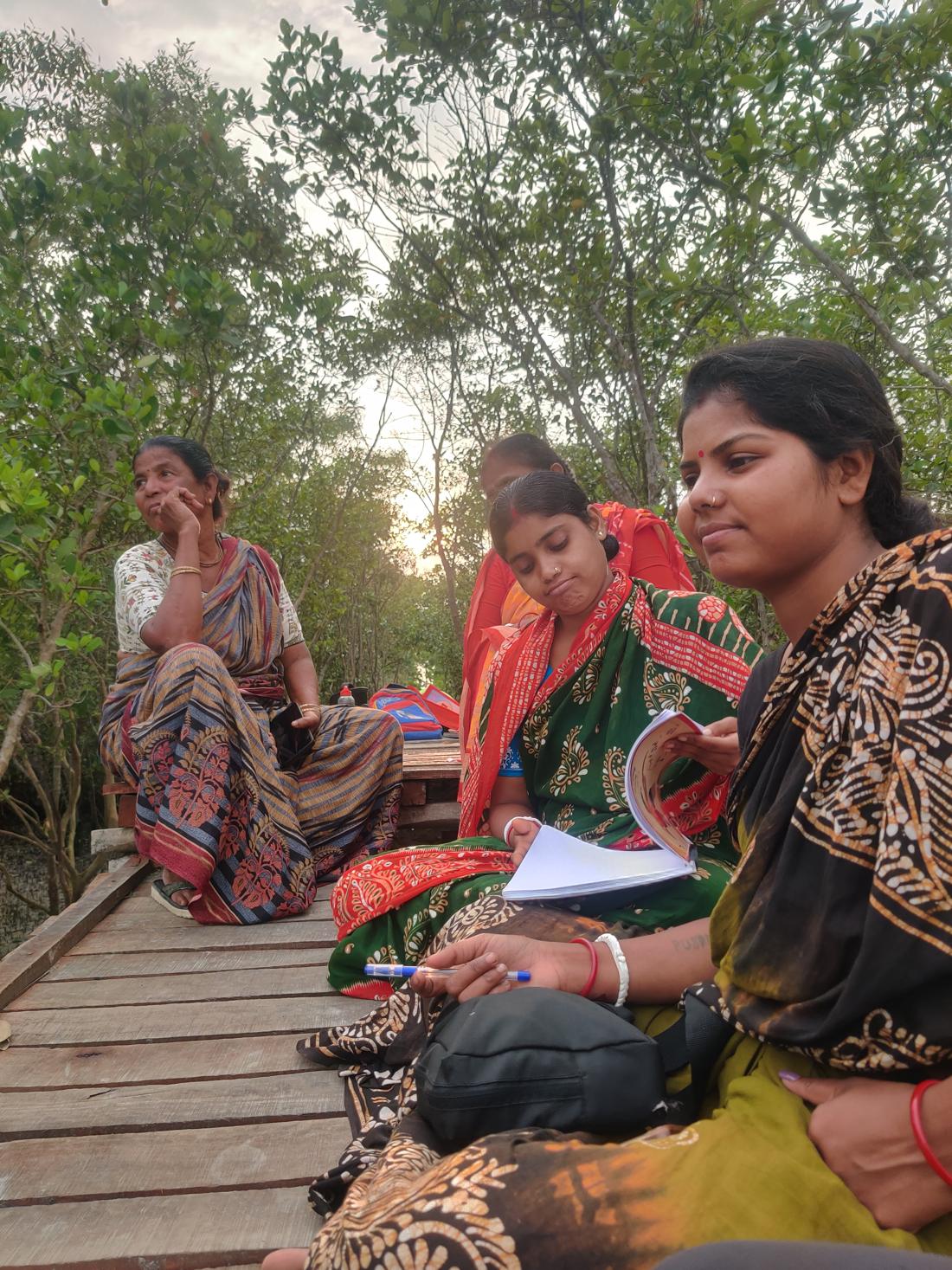
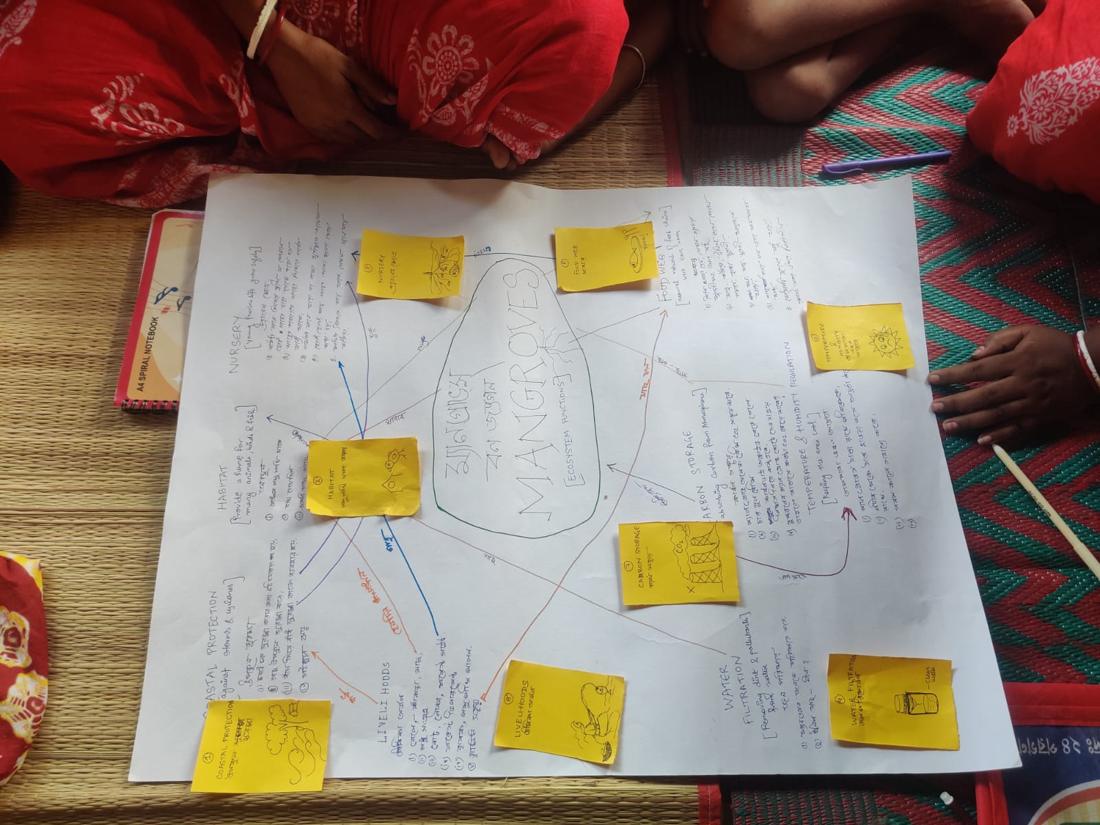
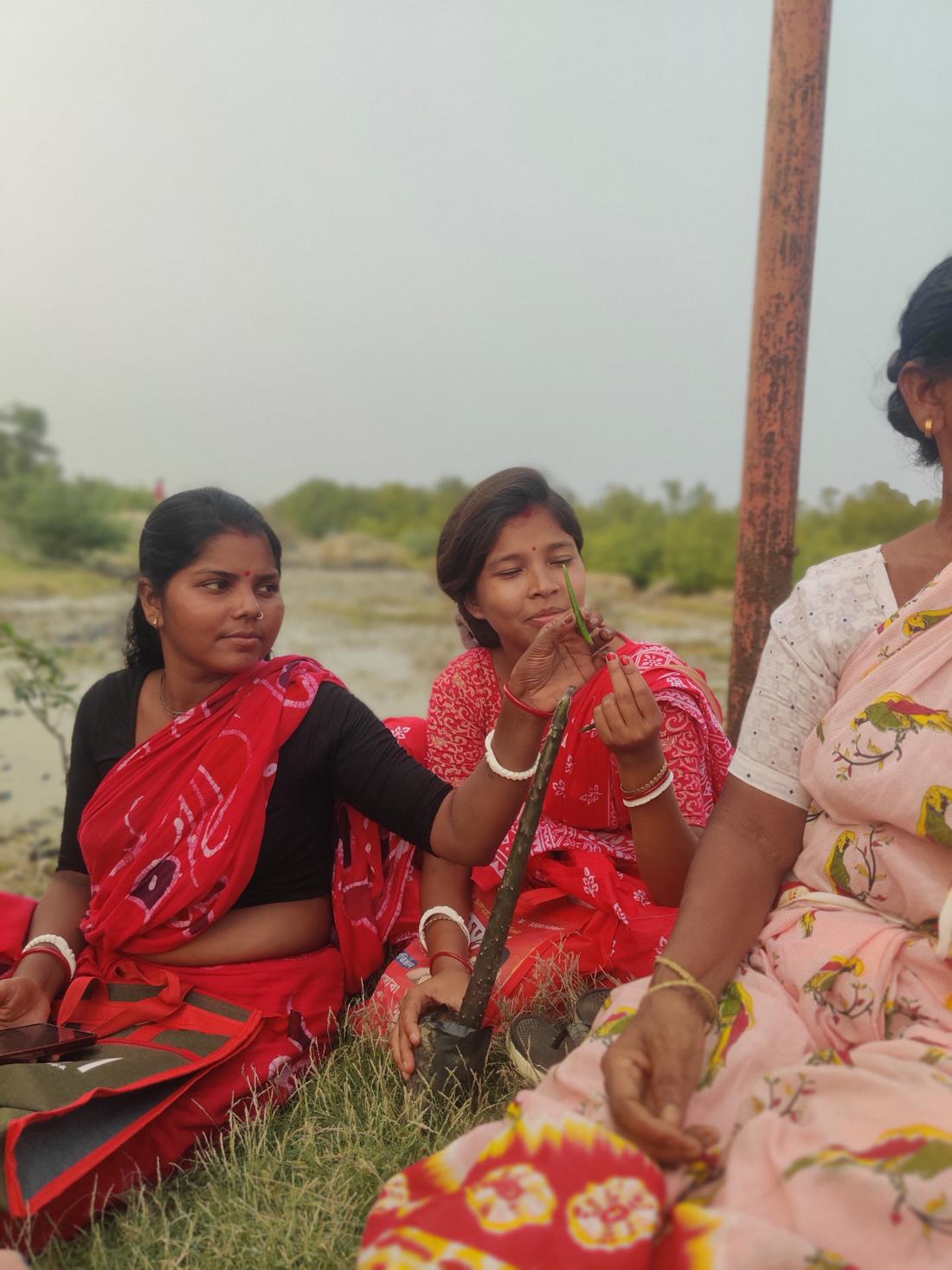
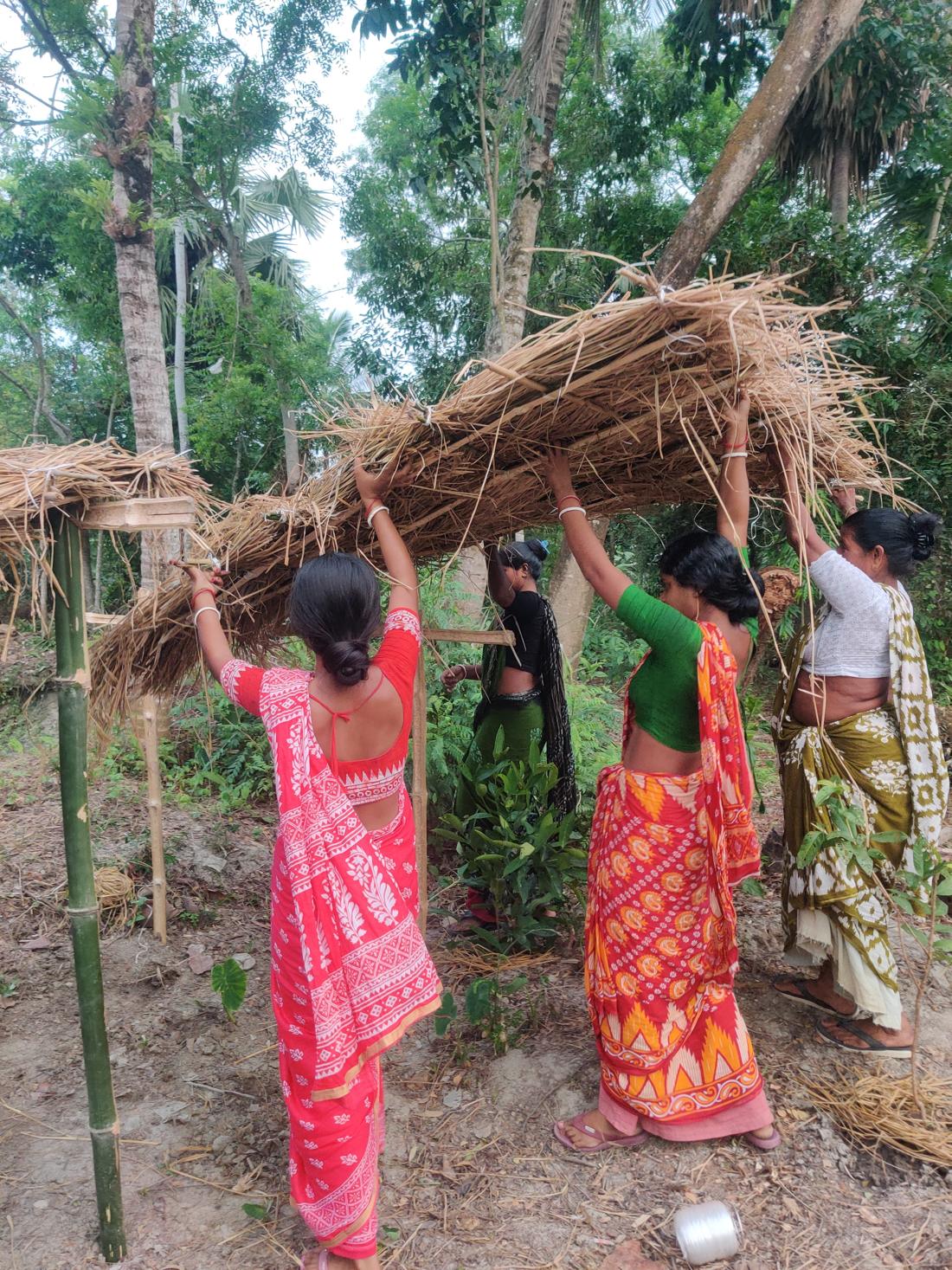
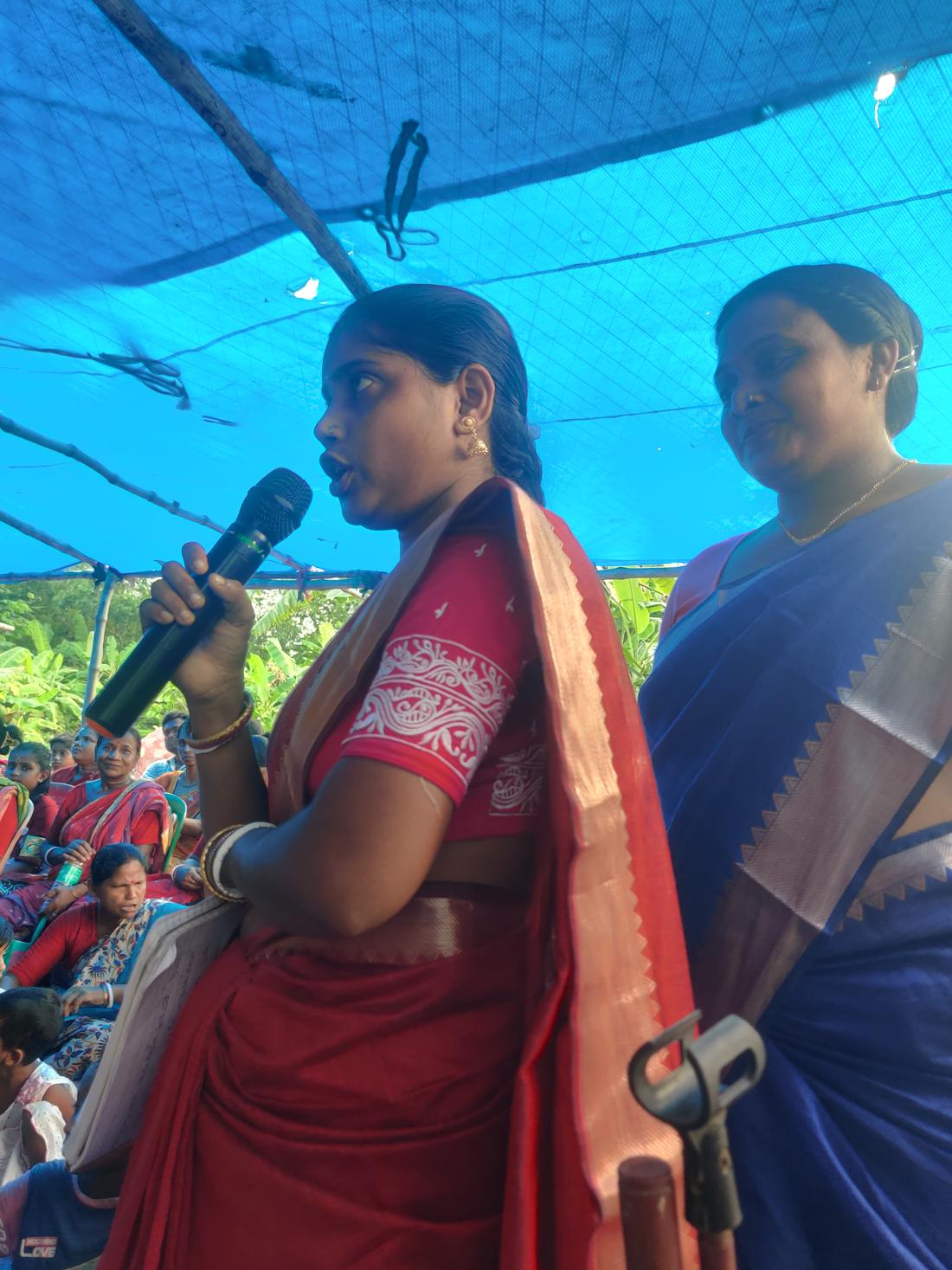
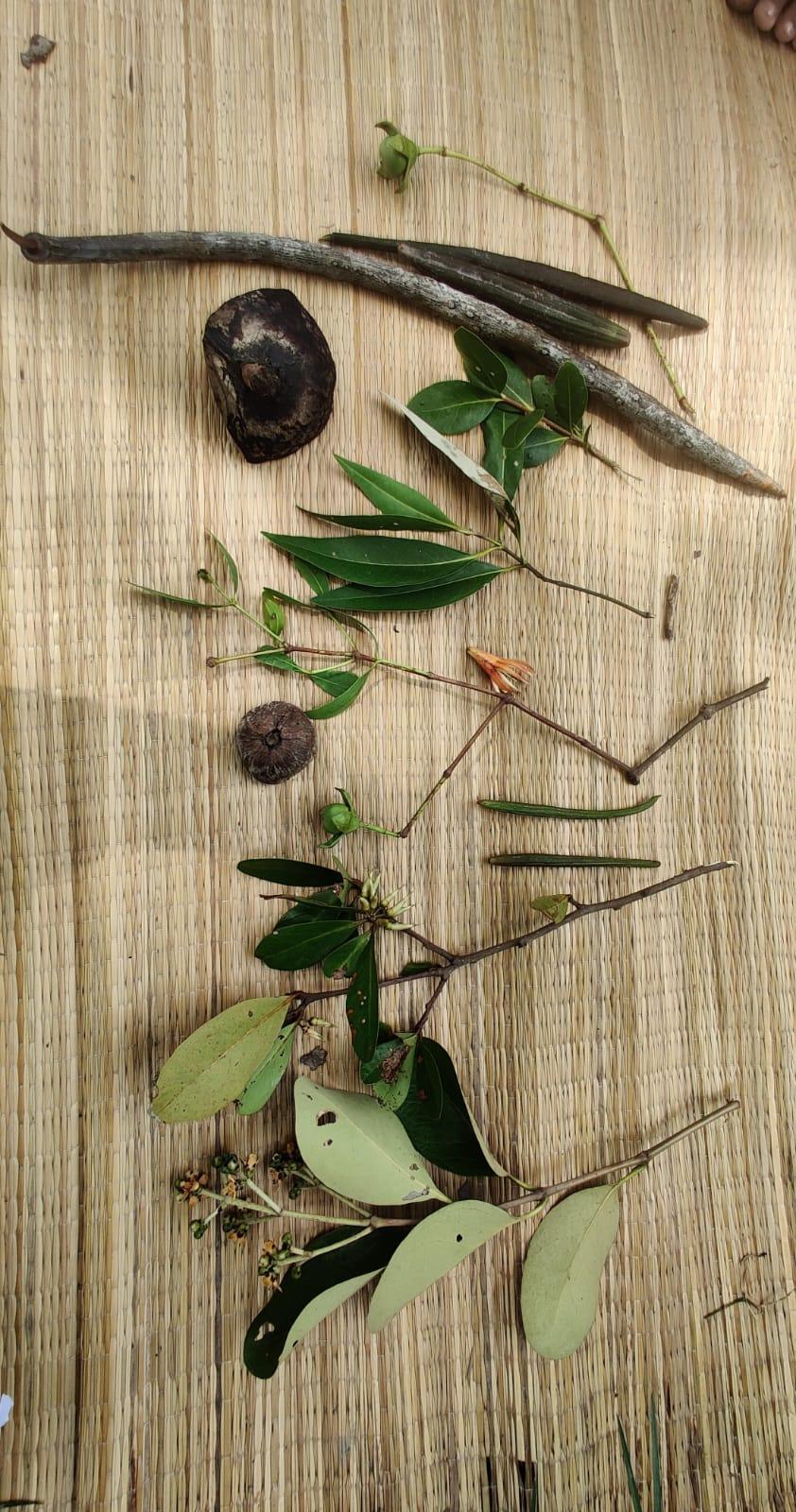
Six women who had lived beside the mangroves all their lives walked into them together, slowly. They used role-play, photo stories and childhood memories. “This was the first time I truly experienced the mangroves up close.”
They chose a tidal canal in their own village and spent three weeks observing it, talking to the families who depend on it, and mapping what was alive and what was degrading.
Using root-cause tools alongside their own knowledge, they picked what to act on. It had to be real, matter to them, link nature and people, excite them, and be something they could actually change.
Small, fast experiments instead of perfect plans: a nursery, a pollinator garden, a bird shelter, a canal clean-up, and games for children. Acting, it turned out, eased climate anxiety better than more information did.
The Mangrove Lab Exhibition. More than 150 people came, including the Forest Department and local leaders, and each woman presented her own work. For five of them it was the first time speaking in public.
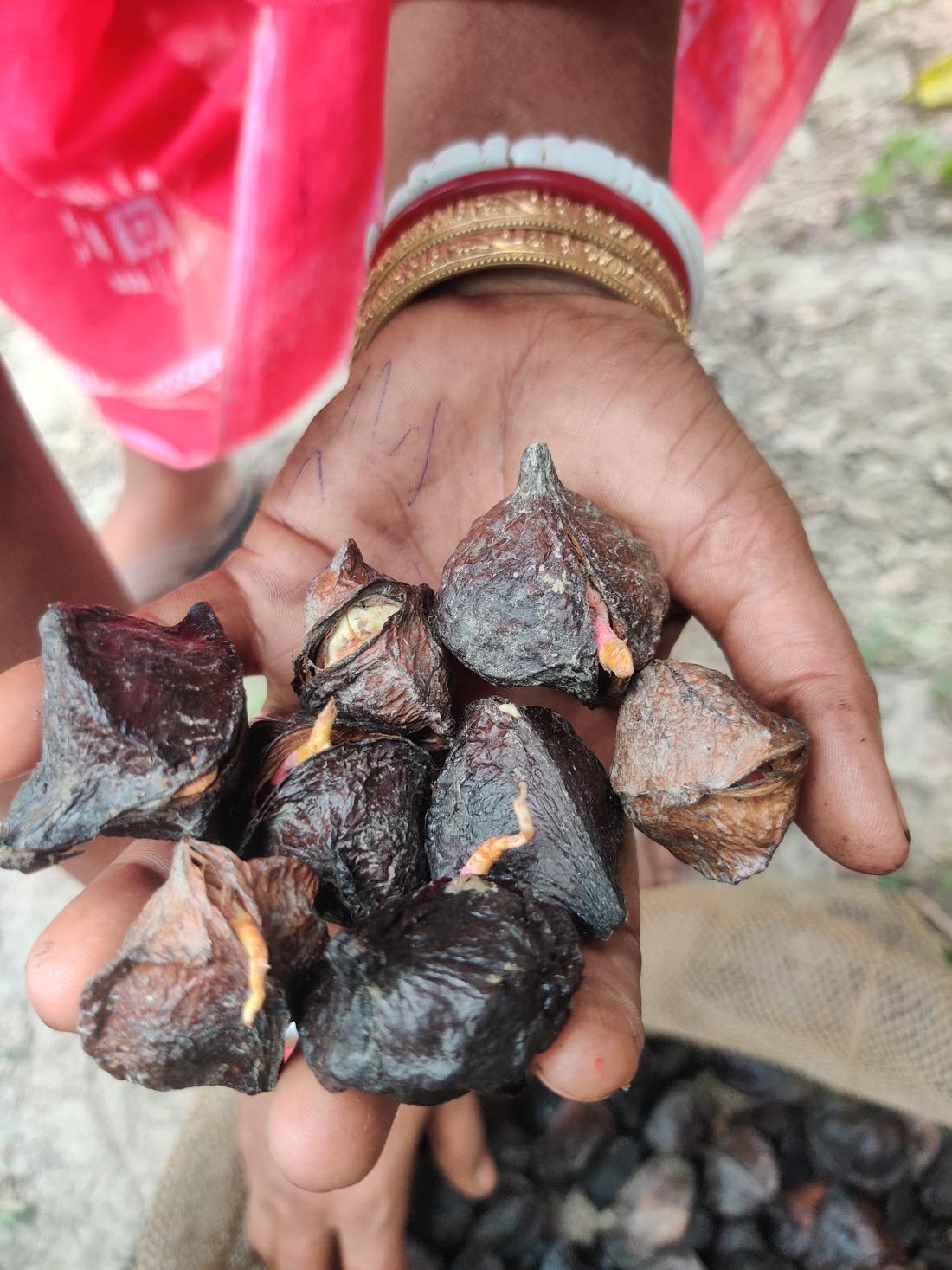
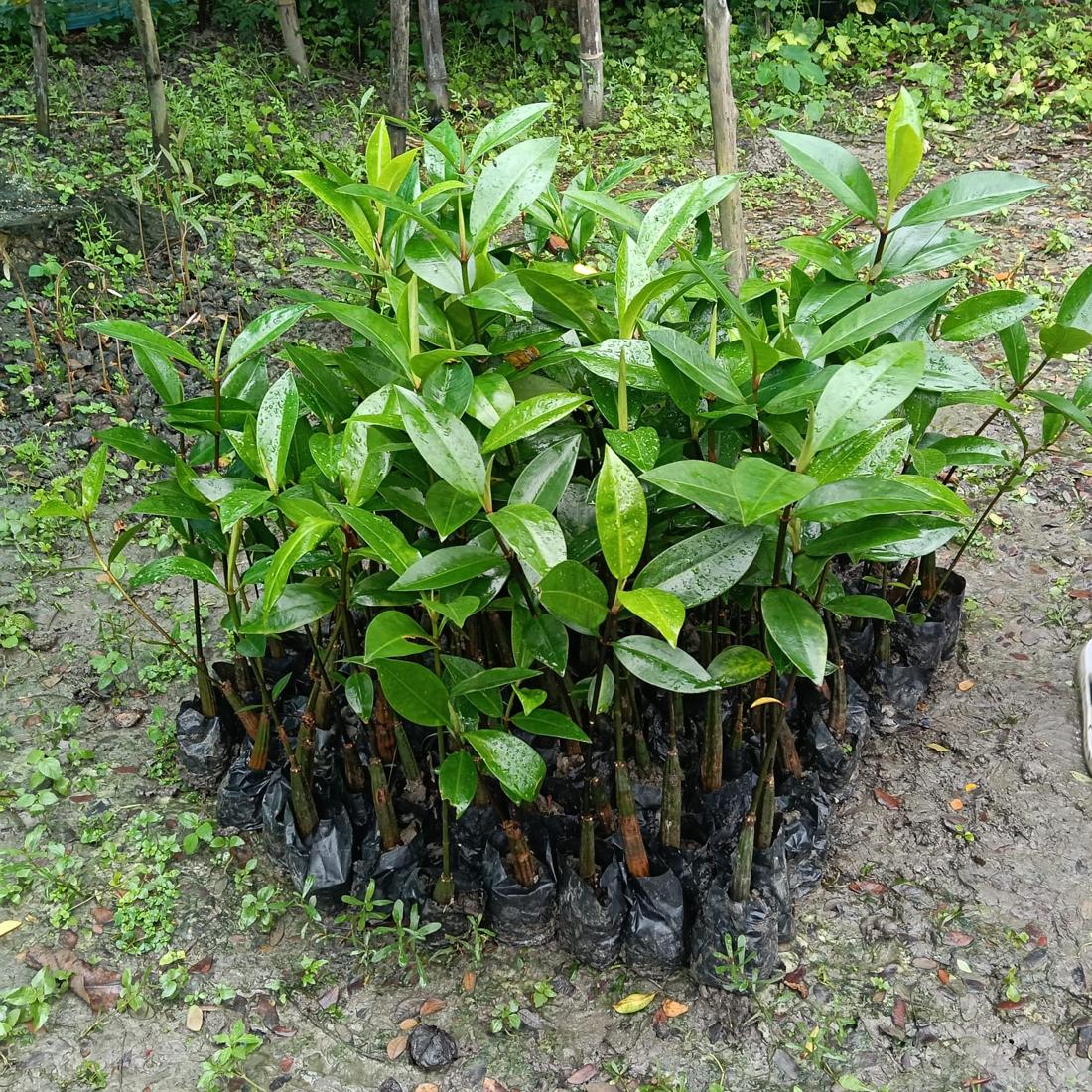
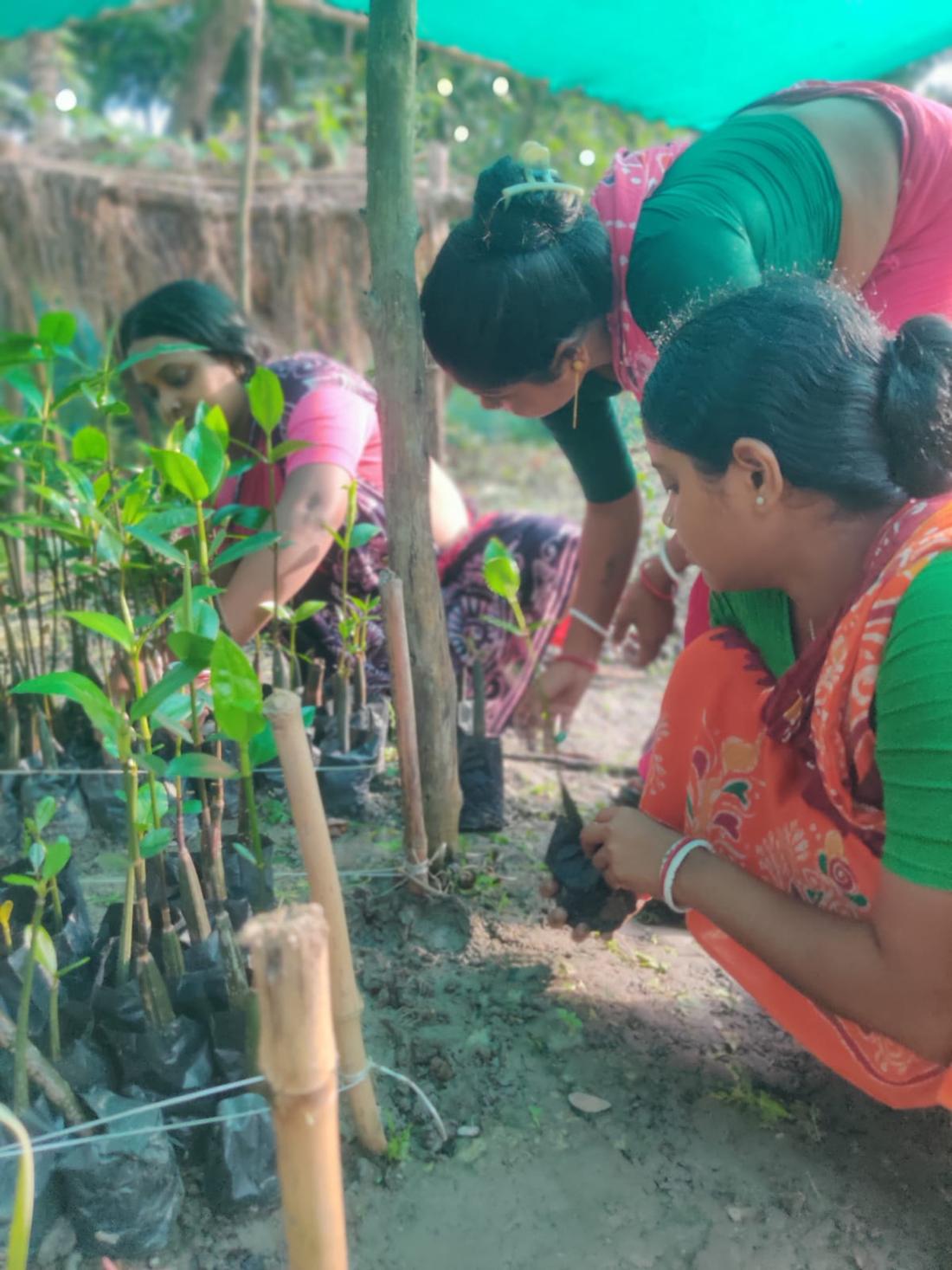
A trained nursery manager told the women that mangroves need salt water and a riverfront. Their inland site, he said, would never work.
They pointed at mangroves that had grown in their own backyards, far from the river, for generations.
Seeds tied in old fishing nets and floated in a freshwater pond for two weeks, against seeds planted straight into pots. Freshwater worked better for the Sundari.
213 of the first 230 seedlings survived.
Mangroves tolerate salt. They don't need it. Salt isn't food. It's refuge.
Which means families far from the tide can raise mangroves too. Neither knowledge won. Both were tested.

The nursery grew to eight native species. The saplings have been planted out in collaboration with the Sundarbans Forest Department, and their growth is being monitored.
And a new nursery has begun, for the Sundari, the endangered tree the Sundarbans is named after.
They chose three problems they were living with: coastal erosion and mangrove loss, disappearing pollinators, and plastic in the rivers. Then they started building.
Built on land offered by Anjali after permissions for public land fell through. It started with 2 species and grew to 8.
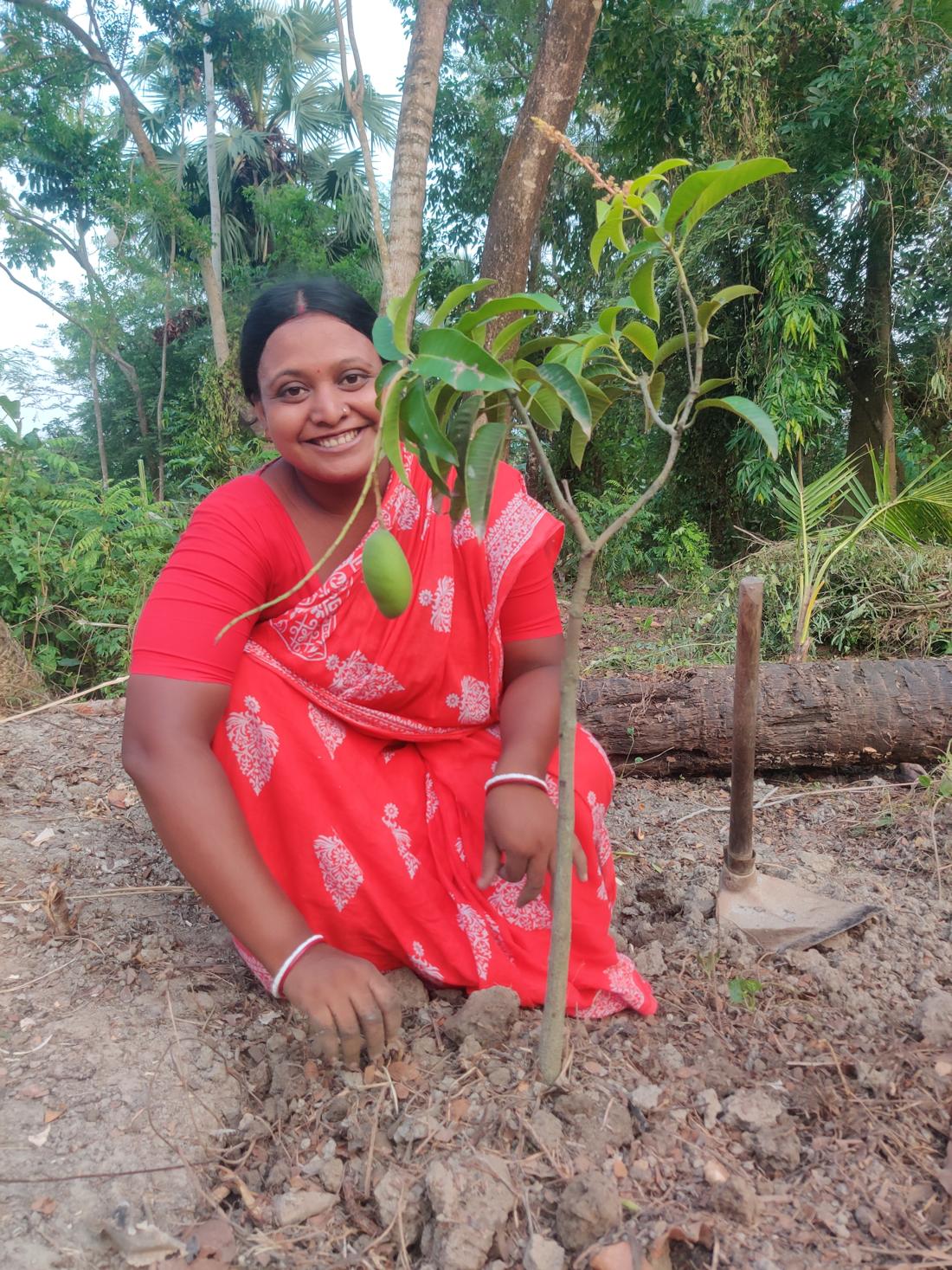
15 native plants chosen so something is in flower all year round, for bees, butterflies, moths and sunbirds. Neighbours joined the planting unasked.
The elders remembered sparrows nesting in thatched roofs before tin replaced them, so they rebuilt one from bamboo and hay. Mynas, doves and drongos moved in.
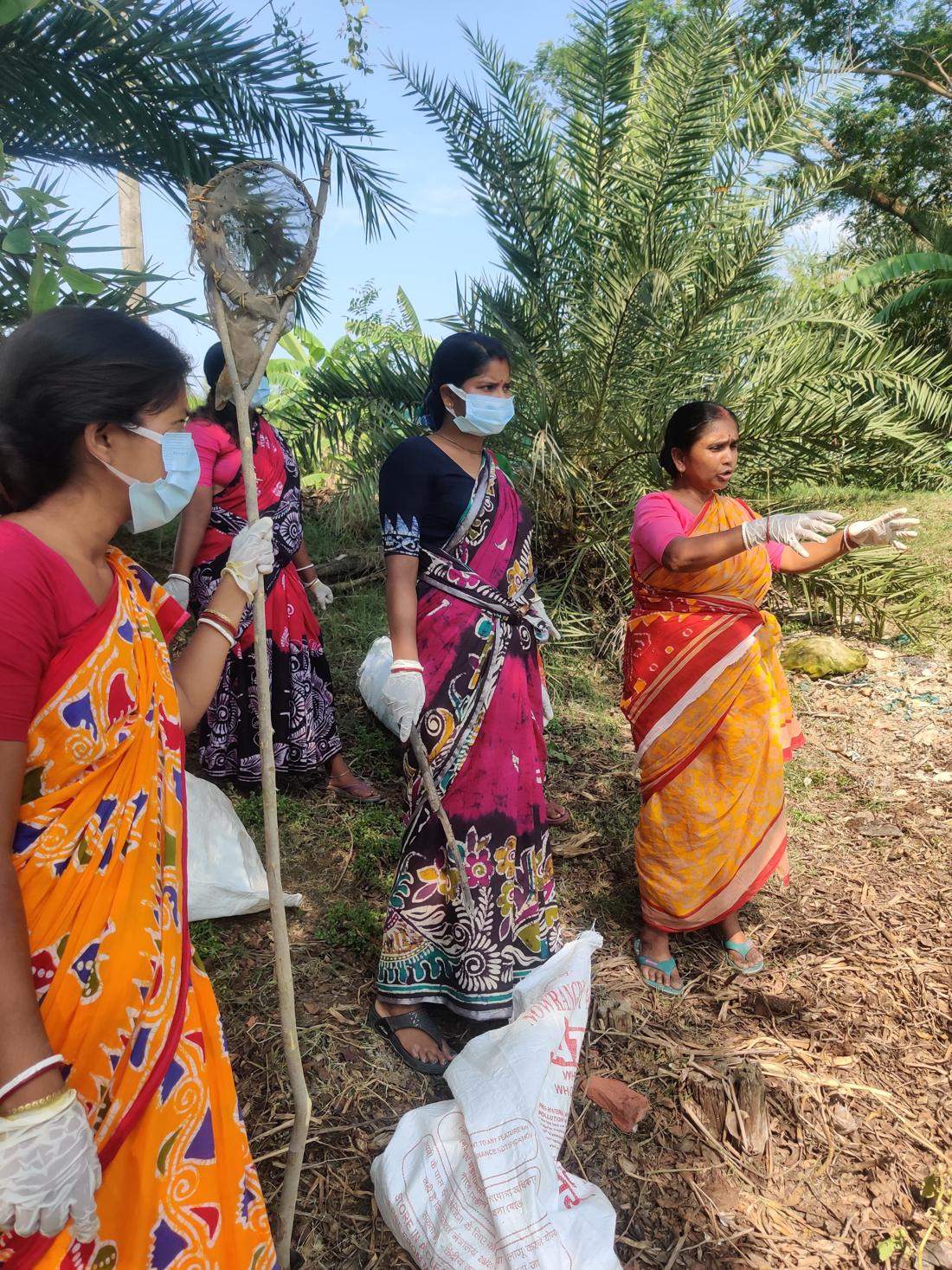
Collection tools made from bamboo and old fishing nets. Around 40 kg of plastic, glass and medical waste came out before the monsoon could carry it to the river.
A treasure hunt, a “save the nest” game, elders' stories and a nursery tour for 25 children. By the women's own account, the most joyful day of the pilot.
Outdoor games about the mangroves. The women expected 20 people and more than 50 came. The question everyone asked: “When is the next one?”
On walks and with a camera, the women have documented around 60 species on Bali Island. Can you guess these? Tap a card to find out.
0 of 6 found
Nobody was selected for credentials. The group formed around the women who kept showing up, and brought their neighbours.
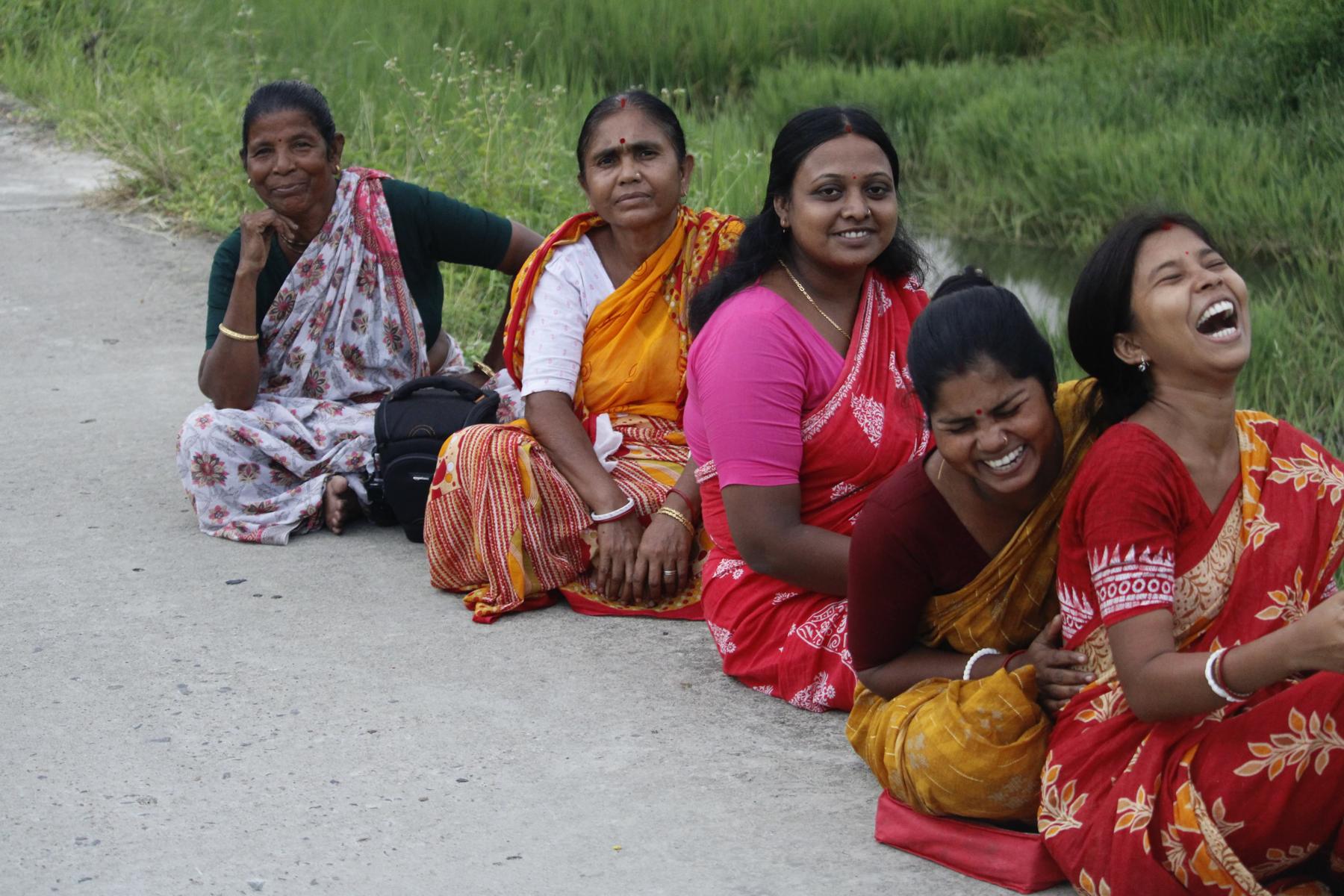
Has woven kantha since she was fifteen. A gardener, and the nursery grows on her land.
“I want to learn more about mangroves and teach children about them.”
Decades as a prawn-seed collector deep in the mangroves. Knows its trees and seeds like few others.
“I want to grow this into a larger community project that brings birds back to the landscape.”
Writer, poet and musician. Started writing about birds and trees again during the Lab.
“My dream is to do something for nature that inspires more women to protect it.”
Keeps the nursery's daily records, so much of what we know about it comes from her notebooks.
“I want to tell the older children how we can make our environment pollution-free.”
Community Coordinator. A self-taught wildlife photographer and storyteller.
“I want to conserve nature and birds, and help women in my village become independent.”
Waters and tends the nursery every day, and is often the first to speak up.
“We have planted a few mangrove seeds. In the future, I want to plant many more.”
The deepest change doesn't fit in a table. Women who barely spoke in a circle of seven stood in front of their village. Some earned money of their own for the first time. And they kept coming to the nursery at seven in the morning, because they had decided to.
Monitor the planted mangroves through their first year, grow the new Sundari nursery, and help the women's ideas become livelihoods.
Ten more women on Bali have asked to join a second cohort. Next comes 2–3 new pods across the Sundarbans, learning which parts of the model travel.
Turn WOCAL into an organisation, so this doesn't end with one cohort or depend on one person.
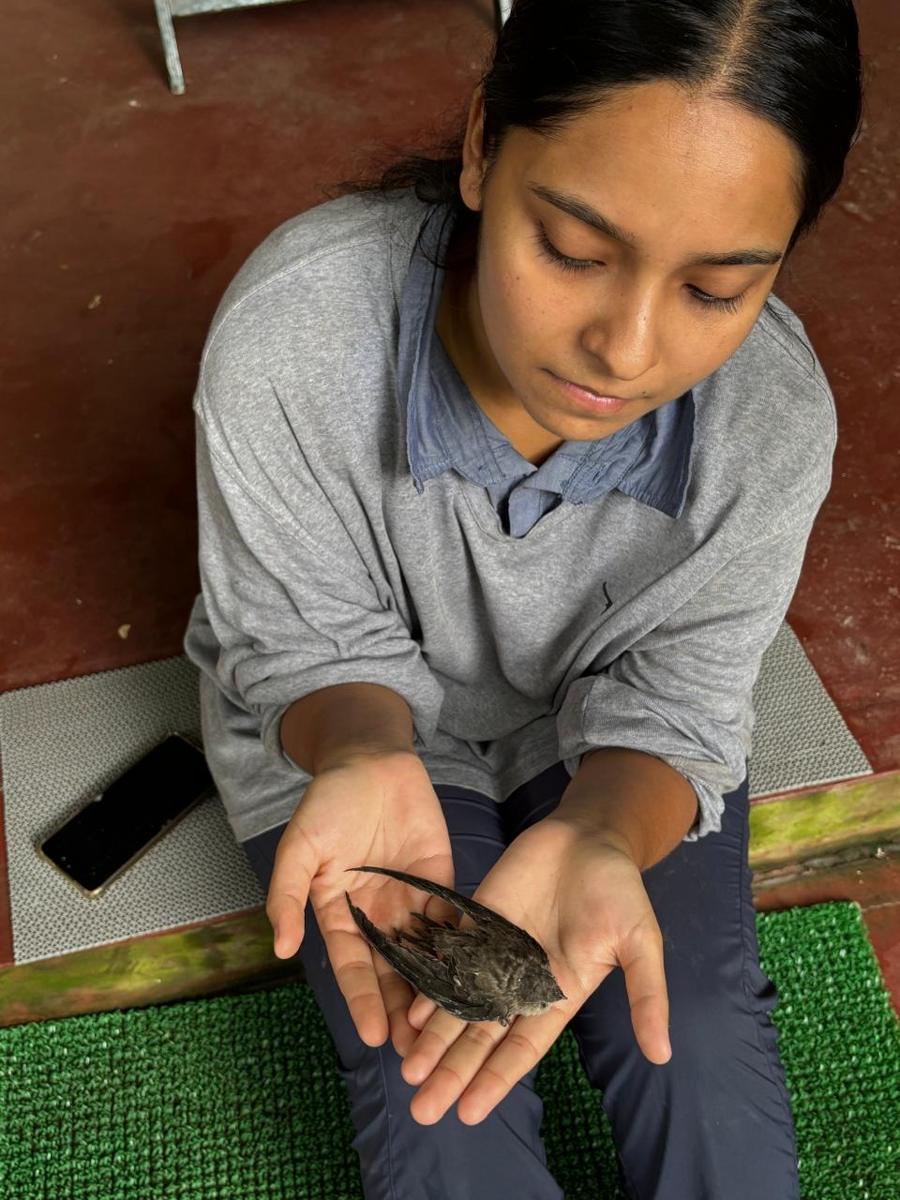
Four years ago I decided to quit my corporate career and follow a lifelong calling: wildlife conservation. This took me to remote, biodiverse landscapes working alongside local communities which completely shifted my perception. It was clear that conservation was a way of life rooted in interdependence, daily interactions and ancestral wisdom.
Women are central to this story: weaving together family, community, and environment through often invisible acts of care - already practicing the kind of conservation the world urgently needs. My work is deeply inspired by the women in my own life, who often placed their own dreams on hold, whose strength and boundless capacity to care taught me resilience long before I had the language for it.
WOCAL exists to ensure that women's local leadership is no longer treated as an afterthought, but recognized as the foundational strategy for healing our shared home.
Simran SinhaFounder, WOCAL
If you fund, research or practise community-led conservation, mangrove restoration, or women's environmental leadership, we'd love to talk.
“The future of conservation is diverse, inclusive, and led by those who care.”